
Learning Session in Costa Rica: Insights About AI for Creative Production
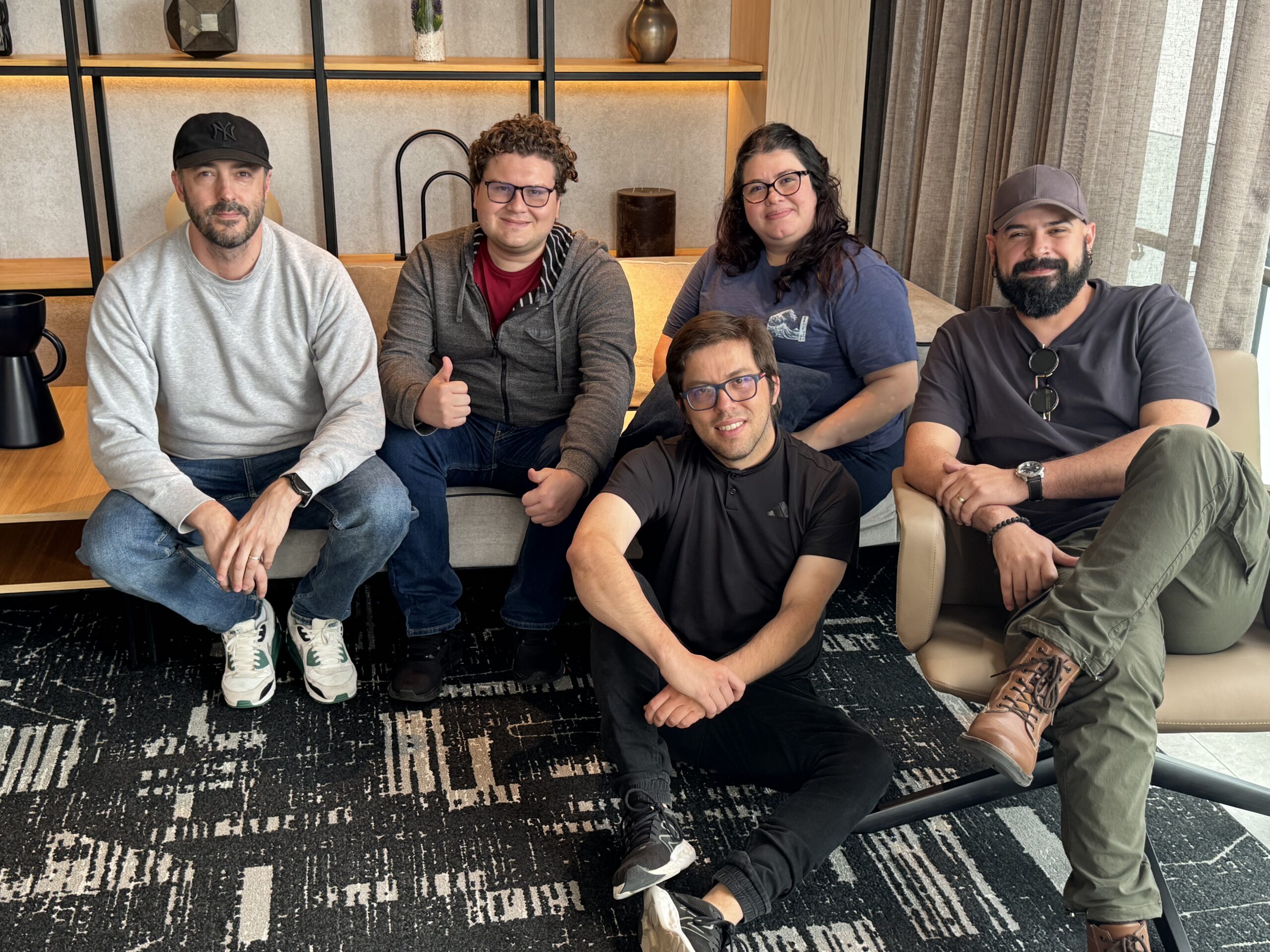
At POP, AI is baked into the DNA of everything we do — elevating craft at every step along the way. But in a fast-paced landscape, education remains a key part of our overall strategy, with the aim of continuing to evolve our capabilities and the expertise of our teams, especially within our human-led AI approach to content production. No work is launched without the human creative behind.
As part of our educational calendar, our teams in Costa Rica came together to take part in an exciting learning session with David Tamayo, Gen AI Lead, POP US. Over the course of two weeks, team members learned about best practices, use cases, and practical tips for AI. They also received specialized guidance to maximize the effectiveness of Vermeer.ai – our proprietary Generative AI creative ecosystem created to combine craft and control.
AI education as lifelong learning
The support session further highlighted the importance of education even when we’re already thriving in an AI-driven industry. “Learning sessions like this are essential because they empower our teams to combine human ingenuity with AI in a responsible, strategic, and impactful way,” said Jeffrey Chaverri, Director of Operations at POP in Costa Rica.
“At Prose on Pixels, our vision is to build AI-native talent that delivers faster innovation, higher quality work, and even greater value for our clients. Vermeer.ai is a key part of that journey, helping us transform AI from a tool into a true creative partner.”
Led by David Tamayo, the session aimed to share his expertise with our team in Costa Rica, while also promoting a positive moment for connection and collaboration across different teams. “The purpose was a knowledge transfer and to spread this kind of knowledge that’s deeper than AI — that deals with how to use AI with different tools to make things more controllable, more crafted,” David said.
The session was divided into two parts. “The first week was focused on the tool of Vermeer: how to use it in a different way, but also how to use it in order to respect the craft,” said David. “The second week was focused on the full pipeline of using AI, from scripts, creating video, editing, sound, music, voiceover, and color grading.”
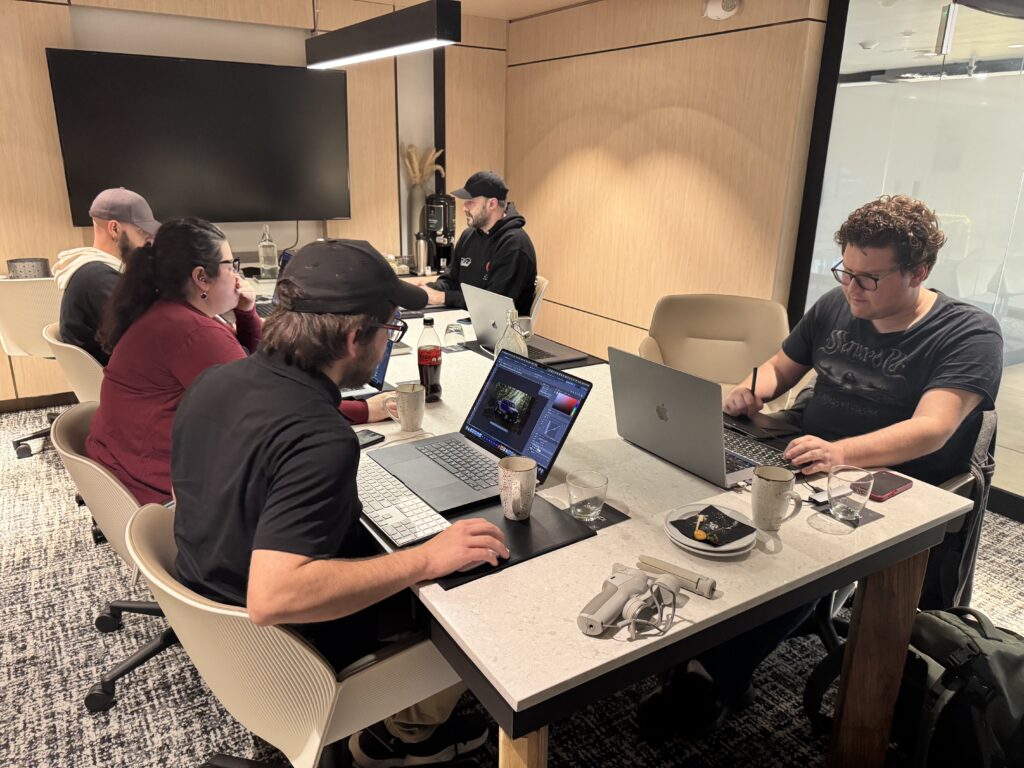
Expanding creative horizons with AI
Team members came away realizing the ways AI could expand their creative horizons and help them explore different approaches. Esteban Méndez, Video Editor, said, “Learning how to work with tools like this opened up new creative possibilities. We now have a better understanding of how to build more complex workflows and deliver higher-quality results.”
3D Artist Hillary Chavarria shared a similar takeaway: “This session opened my mind to a world of possibilities. I learned to see the AI not as replacement for people, but as a tool that can help us work faster, develop ideas, and explore new concepts. I believe it has a lot of potential if we learn how to use it strategically and responsibly.”
This insight was a key goal for David’s: “The industry is shifting, and the gap between creation and production is reducing,” he said. “I think it’s important they’re going to have that in mind and be like, ‘OK, now I can push the execution a little bit more.’”
The importance of the human touch
For Roger Molina, 2D Animator, a simple teaching hit home: AI works best with a human touch, right from the beginning. “The biggest lesson from this session was realizing that the work starts before AI generation,” he said. “Taking the time to prepare the right inputs gives us more creative control and makes revisions much more efficient.”
Esteban Méndez had a similar insight. “The most valuable lesson is that you can have control of what you are doing when you start generating with AI, taking the time to make previsualizations and the preproduction,” he said. “When you know the other director or the client want some specific change, it’s easier for you to apply the changes.”
For David, this is a major point to creating meaningful, crafted AI work. “Everything that we do at Vermeer.ai, it’s always about merging a craft and technology,” he said. “It’s engineers plus creative people coming up with workflow and pipelines in a way to enhance production and do the things that otherwise would not be possible.”
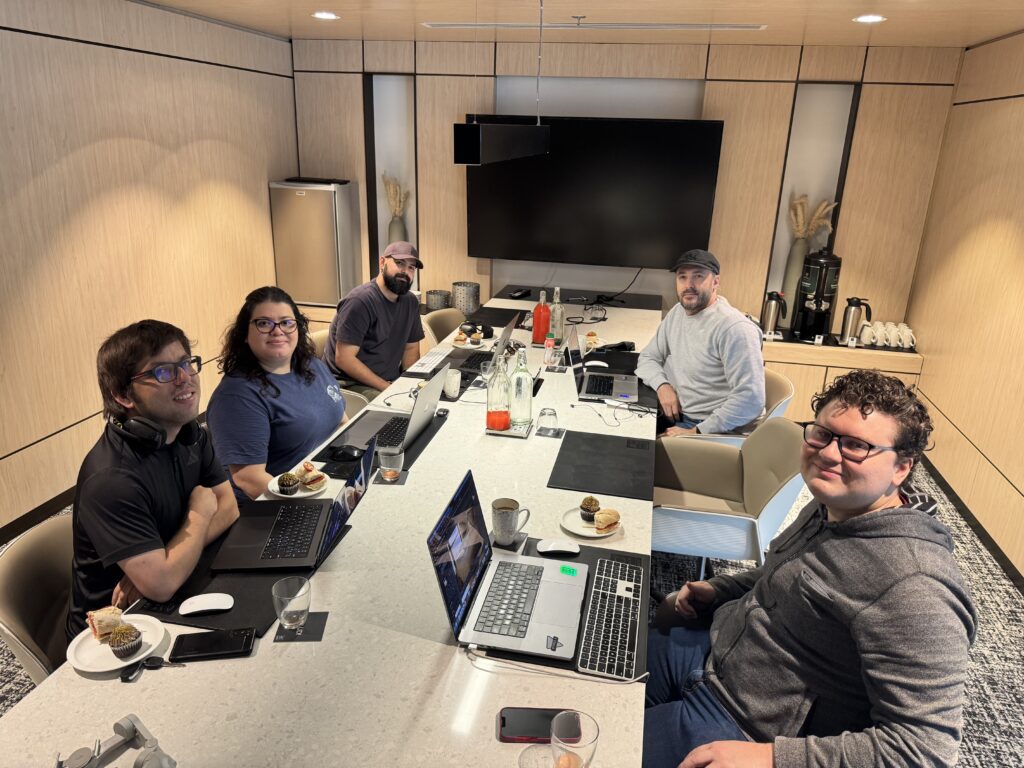
Moving forward with AI
Within POP, AI is more than just a tool — it’s a creative partner that can improve production workflows at every step. Eddy Arroyo, 3D Artist, said, “This session taught me that you can do more than just generate one result with a prompt; it’s like a playground where you can add ideas, references, and concept art, combine them with a good workflow, and get great results.”
At POP, we’re not offloading creativity to AI. Instead, we are using AI to ensure creativity stays in the hands of creatives. “AI shouldn’t replace creativity — it should remove the repetitive work so creatives can spend more time doing what they do best: creating,” said David. Jeffrey agreed: “AI is not changing what makes us creative, it is changing how far our creativity can go.”
In the end, our teams in Costa Rica were left inspired, and David confident about POP’s path forward in the AI landscape. “If you think about the vision in the future, this is the right path — and some agencies will regret not having developed their own tool,” he said.
Watch the video below to see the action:
Want to learn more about Vermeer.ai? Head to the website to dive in. And don’t forget to follow POP on LinkedIn and Instagram to never miss a thing!
Comments are closed.