
Adobe MAX 2026: The Insights by Stefane Rosa, CEO US
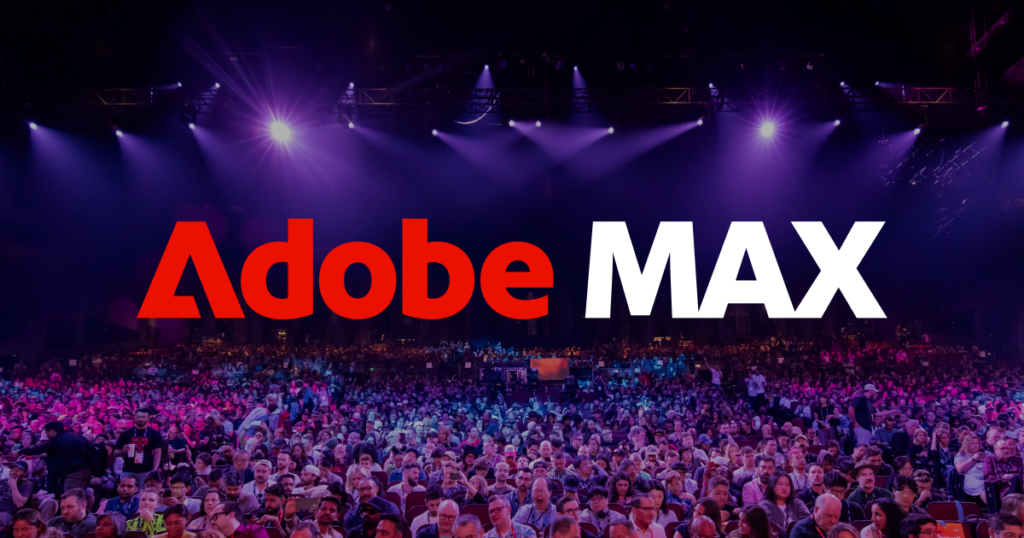
Adobe MAX 2026 had more than 300 speakers, thousands of attendees, and tons of hands-on sessions and product announcements exploring what’s next for creative work within the Adobe ecosystem and beyond. Our CEO, US, Stefane Rosa, was on the ground in Miami getting us all the insights from one of the hottest tech events of the year.
While last year’s edition focused on AI as a creative partner and integrating it into workflows, the standout message this year was that innovation isn’t only about AI — it’s about enabling makers to create with greater confidence, agility, and intent using the tools they already rely on. In this conversation, she reflects on the key takeaways from Adobe MAX: why the best technology should adapt to the needs of its users, why the future is about making less content with processes that work better and, mainly, how craft remains the differentiator in the AI era.
Innovation around existing Adobe tools was one of the key points of this Adobe Max 2026. Any examples or approaches that stood out?
There was SO much! From new editing and audio capabilities in Premiere to more precise control in Photoshop, including lighting, image manipulation, and retouching.
What excites me most is that these innovations are happening within the tools our makers already use every day. It’s not about learning an entirely new way of working, but giving our talent more possibilities, precision, and freedom to create.
We’re already working with Adobe to bring demos to our teams at POP, because there is a lot we can start leveraging today!
At the same time, conversations about AI around the whole event have evolved this year. Did you notice that? Where does craft come in these approaches?
I’ve been in this new world for about eight months, and even in that short time, I’ve seen the conversation come full circle. We went from “AI is going to change everything”, to “How do we produce more content at scale?”, and now we’re bringing the conversation back to the human behind the work. And I LOVE that evolution.
AI can accelerate execution, automate repetitive tasks, and open up possibilities we didn’t have before. But the ideas, the creative judgment, the storytelling, and the craft still come from people. The more technology can do, the more important human creativity becomes.
Adobe Max 2026 wasn’t just talking about AI. What other innovations stood out?
This was one of my favorite things about MAX! Adobe was very intentional about innovating for makers, whether they’re using AI or not. From new color-grading capabilities in Premiere to improved design controls in Illustrator and real-time collaboration in InDesign, there was a huge focus on making the everyday creative process better.
To me, it’s about meeting makers where they are. Not every creative challenge needs AI. Sometimes innovation is simply giving a designer, editor, or artist better tools to execute their vision. Technology should adapt to the maker, not the other way around.
Has this edition of Adobe MAX highlighted any specific trends or predictions for the future of tech?
I see two big shifts. First, we’re moving from individual AI tools to more connected, agentic workflows, where technology can support entire processes rather than isolated tasks.
Second, and probably the most important one for me, we’re moving from generating to directing. The future isn’t just about producing more assets faster. It’s about giving creative talent more control while technology handles more of the repetitive execution. For brands, this means more relevant, precise, and personalized work without compromising quality or creative ambition.
Want to stay up to date with all things POP? Make sure to follow us on Instagram and LinkedIn.
Comments are closed.