
Behind AI Production: Where Does Craft Really Happen?
AI has changed production forever. Ideas that once required weeks of development can now be visualized in minutes. Image generation, video generation, and creative automation have lowered the barriers to creation. Today, almost anyone can generate content.
But as generation becomes accessible to everyone, something becomes rare: craft. At POP, we believe craft is what drives performance. Not because it makes work look better, but because it makes work work better.
Craft is often misunderstood as a finishing touch, something applied at the end of a production process. For us, craft is a series of decisions made throughout the creative journey. It lives in the choice of focal length, the direction of light, the authenticity of a scene, the accuracy of a product, and the consistency from one shot to the next.
These decisions shape how people experience a brand and determine whether an idea is believable, distinctive and, mainly, effective. In the age of AI, craft lives in different places, happens at different moments and takes new forms. And that is currently part of our day-to-day work.
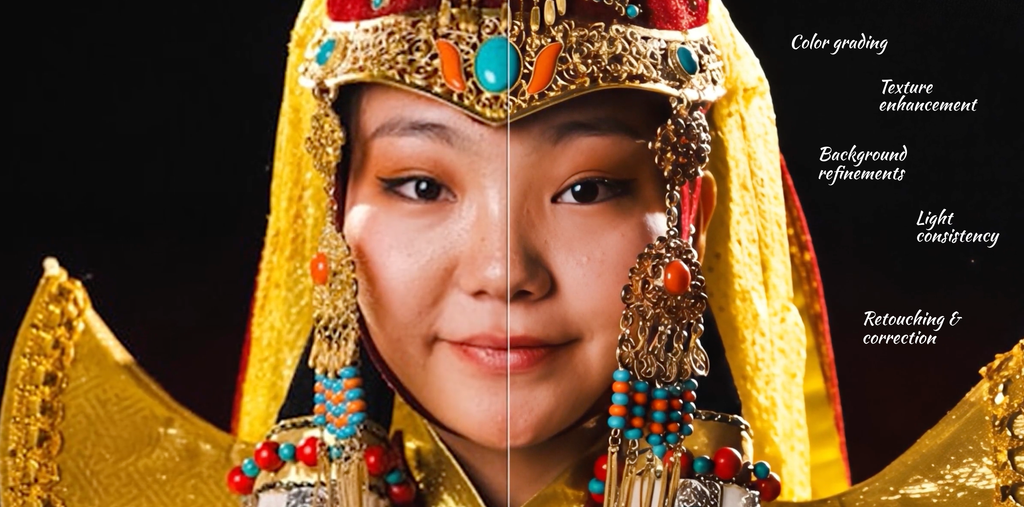
A deep dive into our approach to AI
Rather than viewing it as a shortcut, we see AI as another production capability. One that must be directed, refined and integrated into a broader creative ecosystem. The question is not whether AI can generate content but how to elevate that content to the quality that leads to the best possible performance.
That is why we incorporate leading AI generation models to proprietary workflows designed to bring the highest level of craft to every idea. Powered by Vermeer.ai, our proprietary generative AI ecosystem, we build complex hybrid production pipelines that combine AI, automation, 3D technologies and human creative direction. The result is a more efficient production process that does not compromise our standards – and helps us solve a range of production challenges. That’s what we call craft at scale.
Making it simple
When production needs to be simplified, AI allows us to achieve outcomes that would traditionally require significant logistical complexity.
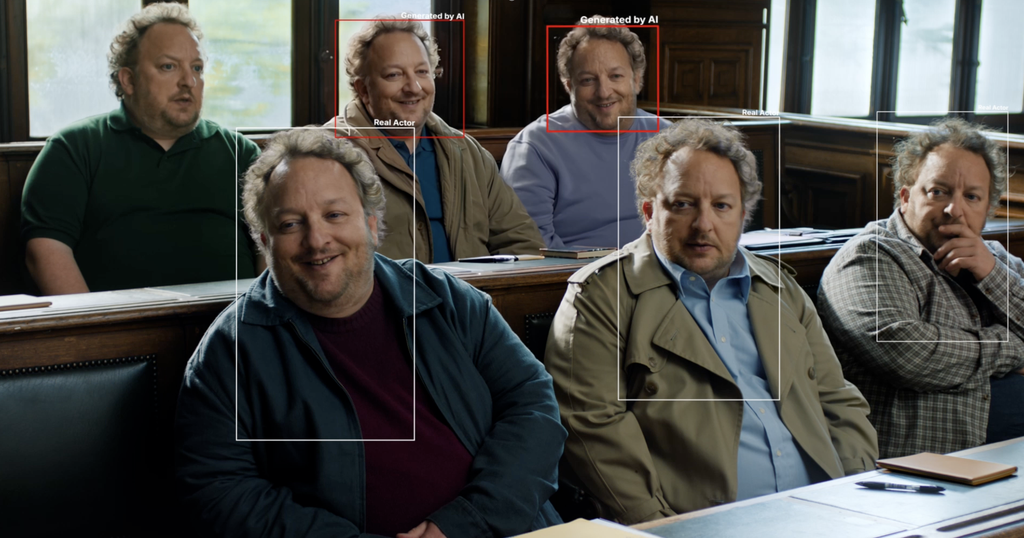
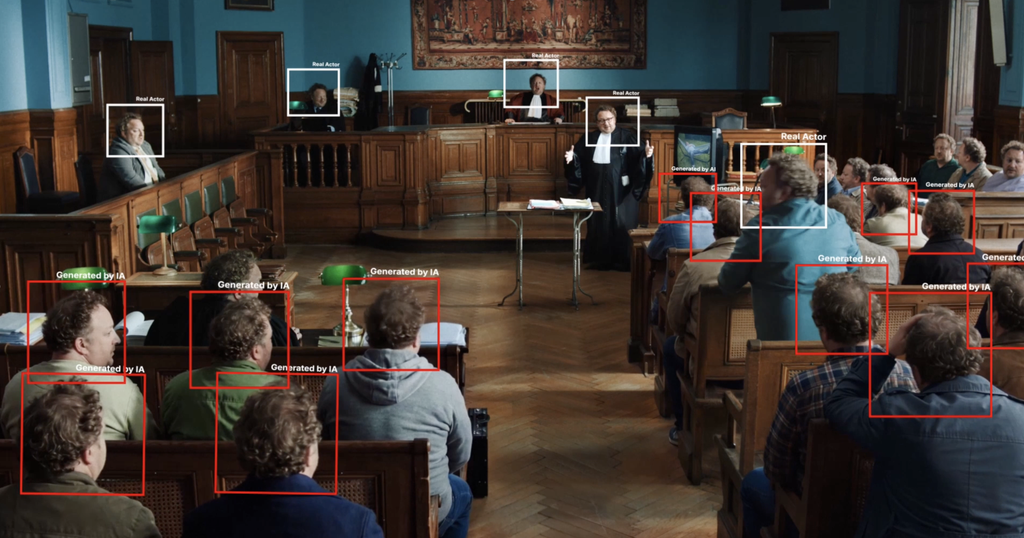
For a recent project, we used Vermeer.ai to create more than 30 distinct versions of a single character, complete with different outfits, expressions and camera angles, all from a single performer. By combining image analysis, character consistency workflows and generation techniques, we created interactions between multiple versions of the same person without extensive reshoots or complex multi-pass production. The result was a substantial reduction in production time while maintaining creative ambition.
Dealing with speed
When speed becomes critical, we use AI to accelerate exploration and execution. During pitch development and early-stage concepting, carefully engineered prompts and motion workflows allow us to move rapidly from idea to visualisation.
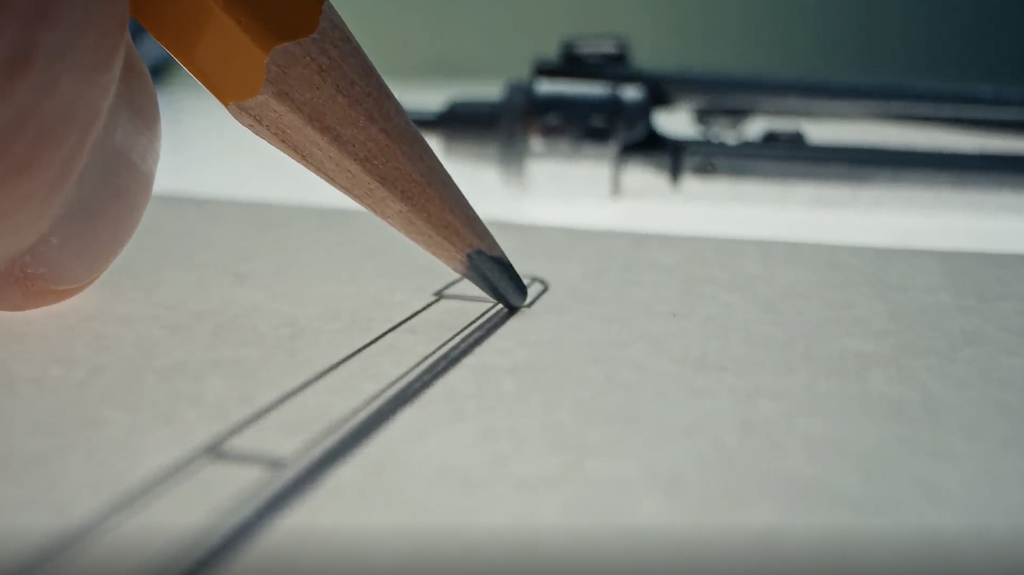
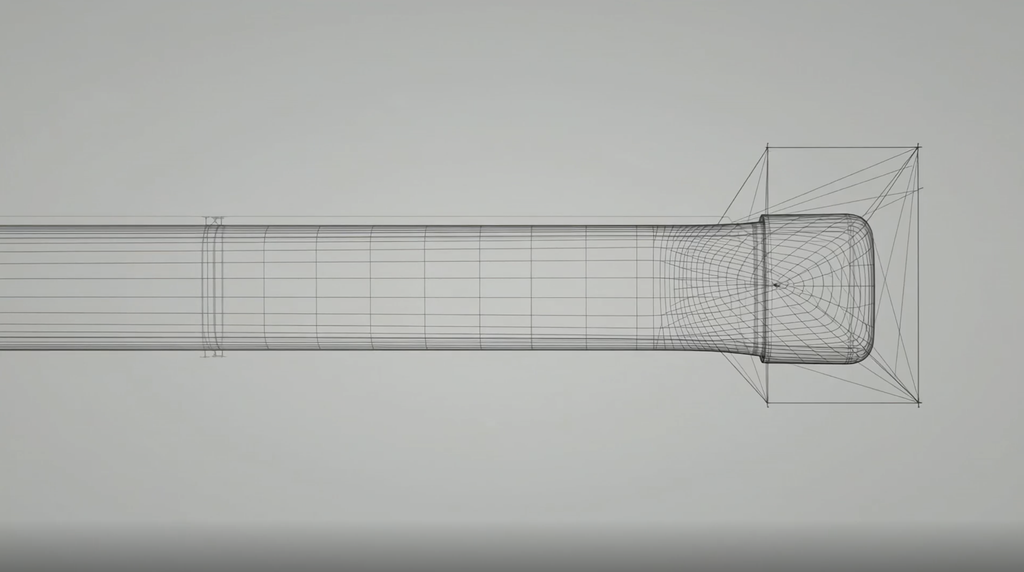
While AI can generate content in minutes, the craft remains essential. It lies in the artistic vision behind the prompt, the director’s creative judgement, and the production expertise that guides every decision. A great output comes from carefully designing a creative framework that translates an idea into something distinctive, believable and fit for purpose – not from a simple prompt.
As a result, instead of spending days assembling rough edits, teams can quickly test, refine and align around creative directions, bringing greater clarity and confidence to decision-making.
When perfection is the goal
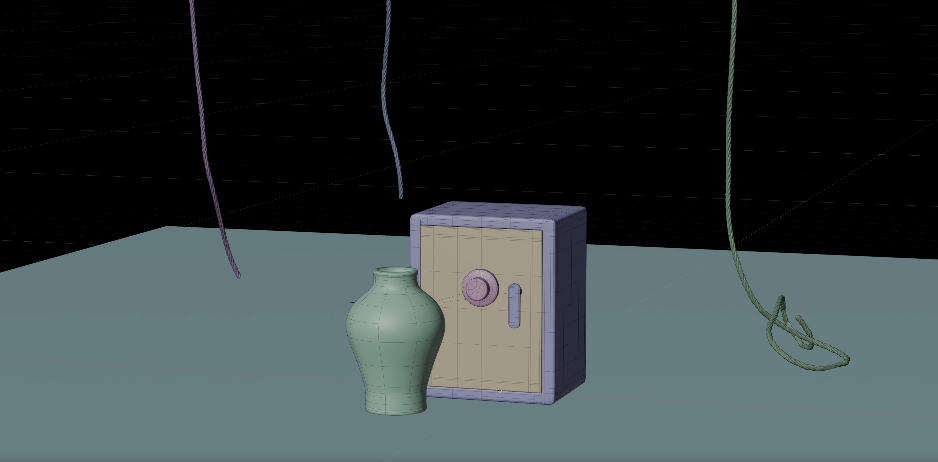
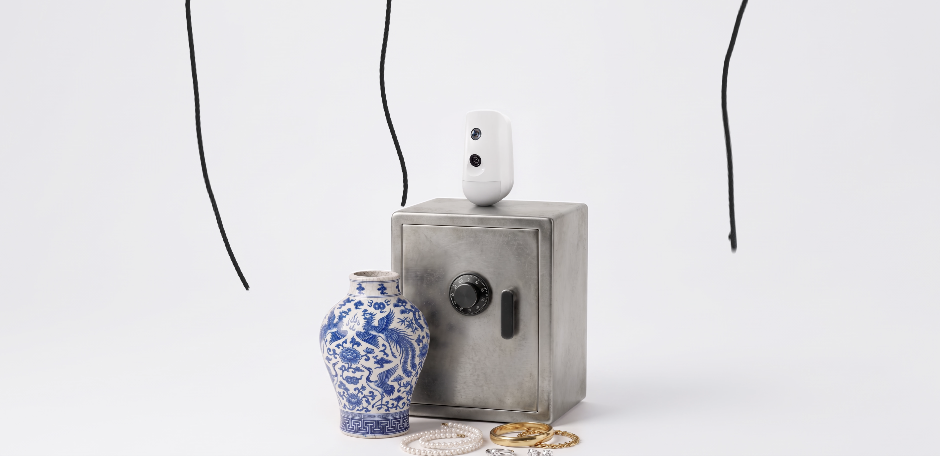
When product representation must be flawless, we use combined 3D and AI workflows to enable precision at a level that would otherwise require extensive manual intervention to ensure perfect product representation across assets. In sectors where product integrity is non-negotiable, this level of control is essential.
For big screens
Craft becomes even more important when content should appear on the biggest screens imaginable. For Asahi, we used Vermeer.ai to develop the Asahi Fusion Designer, a bespoke AI system trained to extend and scale the artistic language of renowned artist Tatsuhiko Bharoocha. Through detailed analysis of his work, we extracted and codified key artistic principles, including colour relationships, compositional structures and visual motifs.
This framework enabled the generation of new creative outputs that remained faithful to both the artist’s vision and the Asahi brand, while allowing for ongoing variation and scale. The result was a showstopping OOH campaign taking over London’s iconic Piccadilly Lights.
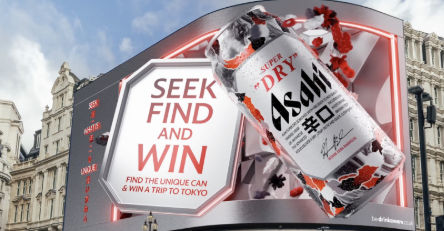
Every detail was considered: composition, condensation, lighting, texture. Every output was designed to perform across large-scale premium environments where imperfections become immediately visible.
Producing for volume
Volume presents another challenge today. As brands move towards expanding content ecosystems, the need for consistency across thousands of assets continues to grow every day.
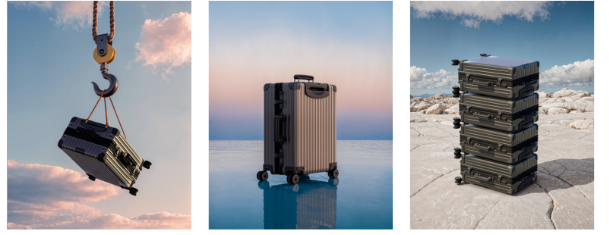
Our production approach combines technical photography, 3D modelling, AI-driven scene generation, beauty-shot creation and motion workflows into a connected system. This allows products to remain accurate and consistent from the original capture through to final execution, regardless of how many assets are required.
Welcome to the craft at scale era
For POP, the real opportunity brought by AI lies in transforming production to create better content more efficiently. Brands do not need more images, more videos or more outputs. They need work that works: captures attention, builds trust and delivers results. And as generation becomes increasingly commoditised, craft becomes a differentiator.
Across our 15+ studios, we are focused on closing the gap between generation and production. By combining the speed of AI with the rigour of creative and technical expertise, we are helping brands achieve something increasingly valuable in an age of infinite content: quality at scale.
Discover how POP can support your content production goals – get in touch with our team!
Comments are closed.